How to Read a Vehicle History Report
A vehicle history report links a car's VIN to the records on file. Here is what to look at, what it can tell you and what it cannot.

Start with the VIN
Every listing on this site shows the vehicle identification number when the dealer provides it. Use it to order or ask for the report, and confirm that the number on the report matches the number on the car and the title.
What to look for
Look at the number of owners, the dates and places of registration, and any reports of accidents, flood or salvage titles and odometer problems. Gaps in the history are worth asking about.
Some dealers, including Moulton Motors, say their vehicles come with a history report. Ask any dealer to show it to you before you decide.
- Title brands such as salvage or flood
- Odometer readings that go backwards
- Reported accidents and repairs
- Service records and number of owners
What it cannot tell you
A report only lists what was reported. A clean report is a good sign, but it does not replace a physical inspection and a test drive, especially on a higher-mileage car.
Quick answers
Is a clean history report enough?
No. It is one tool. Pair it with an inspection, a test drive and the car's service records.
What if the dealer will not share a report?
Ask for the VIN and order one yourself. If a dealer is reluctant to share the VIN, that is worth noticing.
More guides

Buying a used car, step by step
A calm, ordered way to go from an idea to a set of keys, with the checks that matter most when you are buying a used car around Nashville.
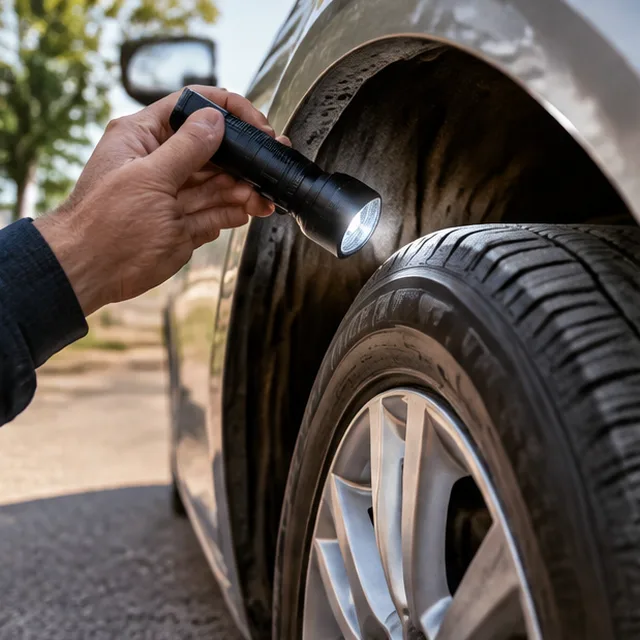
Inspection checklist
Twenty minutes with this list can save you from a very expensive surprise. Work from the outside in, and write down anything you want the dealer to explain.

Test drive checklist
A test drive is your best chance to learn how a car really behaves. Plan a route that covers city streets, a bumpy road and a run on the interstate.

Ready to put this into practice?
Browse the cars, or tell us what you are looking for and we will point the way.