Used Car Test Drive Checklist: What to Feel, Hear and Try
A test drive is your best chance to learn how a car really behaves. Plan a route that covers city streets, a bumpy road and a run on the interstate.

Before you start the engine
Adjust the seat and mirrors, and make sure you can see well in every direction. Start the car with the radio off and listen to how it idles.
On the road
Pull away gently and then accelerate firmly. The transmission should shift cleanly, without jerks or long delays. Brake firmly from a moderate speed in a safe spot, and see whether the car pulls to one side or the pedal shudders.
Take a bumpy road and listen for clunks or rattles. Take a few turns and listen for clicking. On the interstate, check that the car tracks straight and that the steering feels steady at speed.
- Smooth shifting up and down
- Straight, quiet braking
- No pull to one side at speed
- Air conditioning and heat both work
After the drive
Park, leave the engine running and look under the car for drips. Turn the engine off, then check that it restarts easily. Take a minute to write down what you liked and what bothered you while it is fresh.
Quick answers
How long should a test drive be?
Long enough to cover city streets and a stretch of highway, which usually means twenty to thirty minutes. Ask for more time if you are still unsure.
Should I drive more than one car?
Yes, if you can. Driving two similar cars back to back makes the differences obvious.
More guides
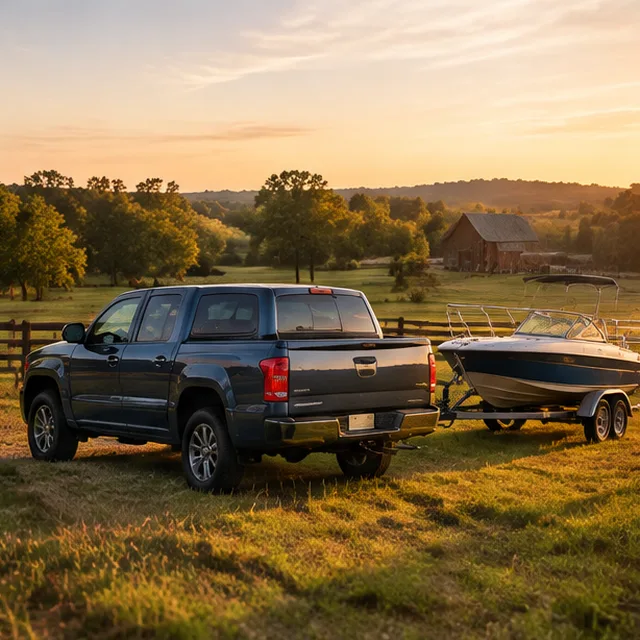
Buying a used truck
Trucks work hard, so a good used one is about how it was used. Here is what to check on a pickup before you buy.
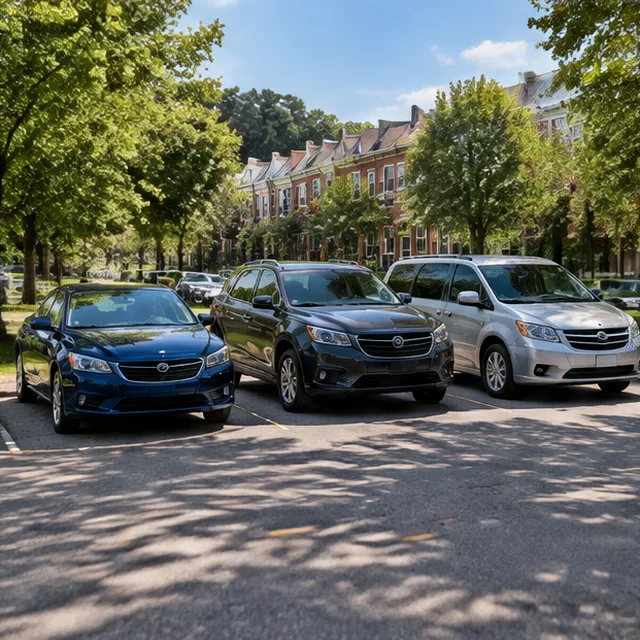
SUV, sedan or minivan
The right body style depends on who rides with you and what you carry. Here is a quick way to sort the choice out.
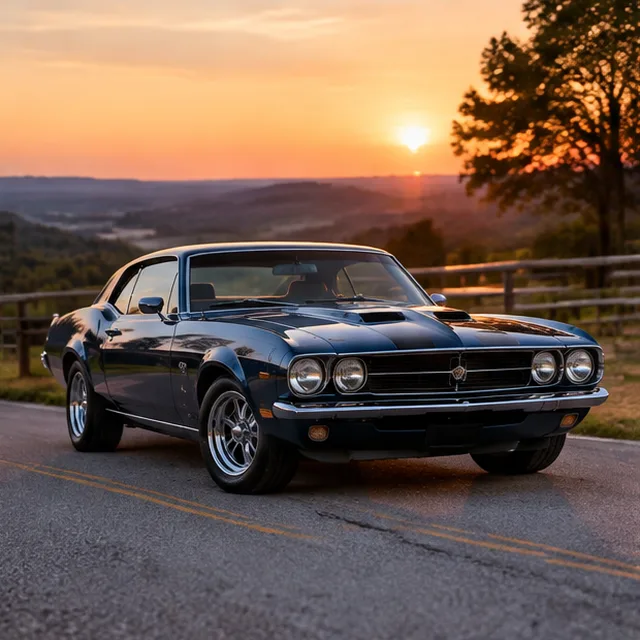
Buying a classic car
A classic is part car, part project, part piece of history. A few careful questions up front keep the experience fun.

Ready to put this into practice?
Browse the cars, or tell us what you are looking for and we will point the way.